
Daily Top 5
Apartment supply eases, but lease concessions slow rent recovery
Article originally posted in the CoStar on Nov. 10, 2026.
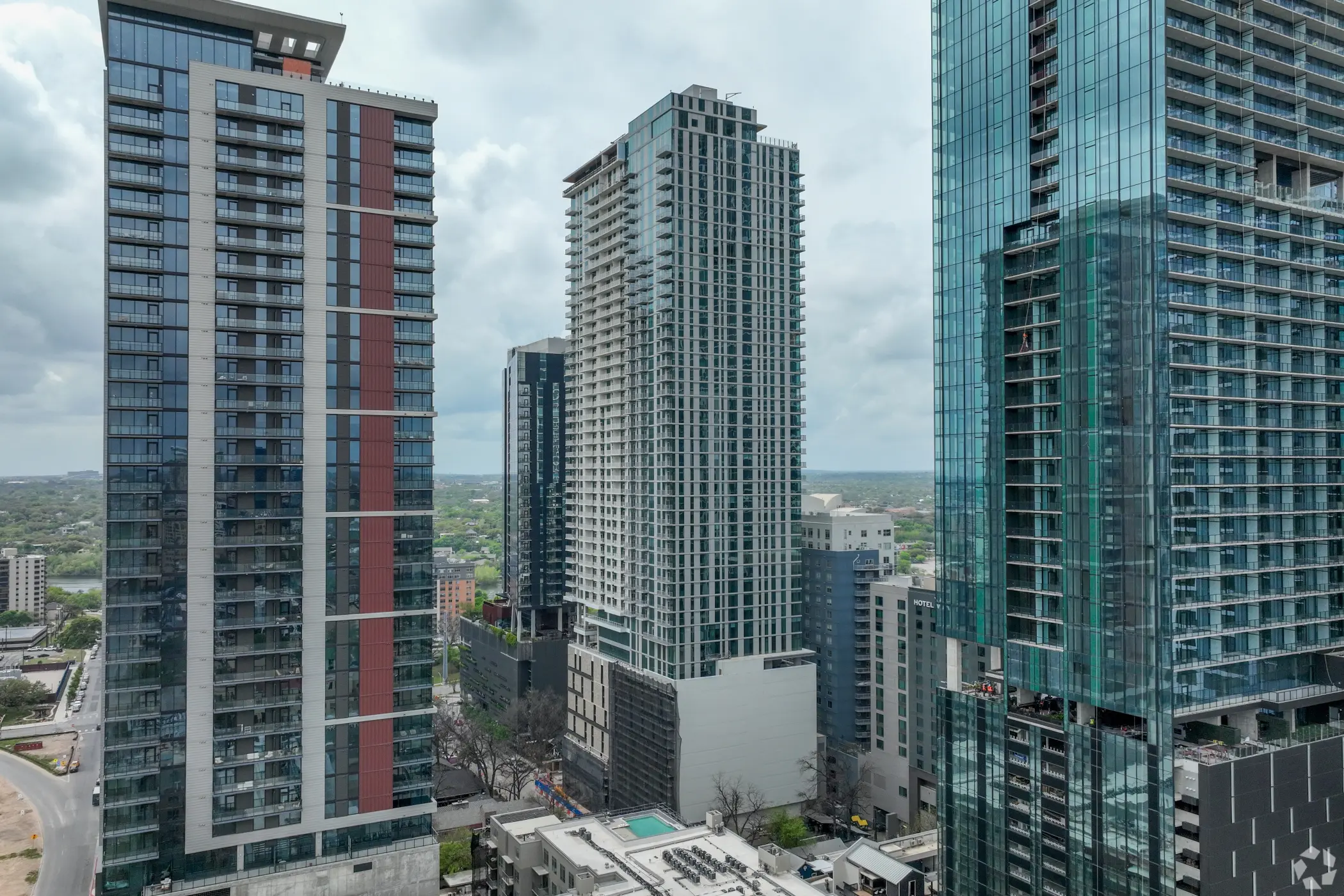
Executives at apartment real estate investment trusts say multifamily supply is beginning to ease as fewer new units enter the market. Still, persistent concessions to induce renters are slowing the recovery in rents for new leases across many Sun Belt markets.
Third-quarter leasing results from major multifamily REITs suggest that apartment market performance is increasingly separating by how much progress individual markets have made in absorbing recent supply. REITs with portfolios concentrated in supply-constrained coastal markets generated stronger rent growth. In contrast, those with greater exposure to Sun Belt markets that are still absorbing the post-pandemic construction wave faced greater pricing pressure.
UDR’s mix of coastal markets and significant Sun Belt exposure produced results between those ends of the spectrum.
The distinction was clearest among renters signing new leases. Renewal increases remained healthy across the sector, but rent pricing for new residents generally weakened as exposure to recently delivered supply increased. Vivmark, launched this past summer through a merger of AvalonBay Communities and Equity Residential, was the lone REIT with positive new-lease growth, Essex was essentially flat and rent discounts for new leases widened across UDR, Camden and MAA.
That gap matters because new and renewing residents face different choices. An existing resident weighing a rent increase must also consider the cost and inconvenience of moving. A prospective renter can shop the market, including recently completed properties offering concessions to fill units. The spread between new and renewal rent pricing therefore provides one measure of the competitive pressures faced by individual multifamily markets.
The remaining inventory from the recent apartment construction boom continues to influence multifamily REITs’ strategy even as the overall construction pipeline contracts.
MAA executives said apartment absorption across the company’s markets now exceeds deliveries and estimated roughly 50,000 fewer units were available than at the beginning of the year. Yet in Charlotte, North Carolina, where the number of apartments added over the past three years was roughly 19% of the existing apartment inventory, some properties still in lease-up were offering 10 to 12 weeks of free rent. Management characterized its recent pricing challenge as a supply issue rather than a demand issue.
Camden executives offered a similar assessment, saying apartment completions in Sun Belt markets have fallen to a seven-year low. Still, CEO Ric Campo described concessions from competing properties as “remarkably sticky.”
Meanwhile, the performance of West Coast apartment markets illustrates what conditions may look like further along in the recovery.
Essex management expects completions of rental apartments across its markets to remain near historically low levels. CEO Angela Kleiman said Northern California properties were offering “effectively no concessions,” compared with less than a week of free rent for properties in the Pacific Northwest and slightly more than a week in Southern California.
Northern California’s leasing season also remained robust for longer than normal, extending through September, while new-lease pricing increased slightly from the second to third quarter. Kleiman called the sequential improvement unusual and attributed it to the market’s recovery momentum.
But dwindling supply does not guarantee an immediate response in pricing rents.
Vivmark executives identified Northern California and New York among its stronger markets but said the Mid-Atlantic recovery has taken longer than anticipated despite a substantial decline in deliveries. Remaining lease-up inventory and local demand still influence how quickly lower construction translates into greater pricing power.
There are signs that some of the Sun Belt markets that saw the highest levels of apartment construction are moving further through that process.
Austin, Texas, stands out after MAA, UDR and Camden each reported meaningful improvement from earlier pricing lows. Camden said new-lease rents in Austin improved from a 13.1% decline at its late-2024 low to a 2.5% decline in the third quarter of this year. While pricing has not fully recovered, the direction suggests the market has moved beyond its period of most intense supply pressure.
UDR’s results reinforce that distinction within a single portfolio. Management said its coastal markets averaged approximately 3% blended lease growth during the quarter compared with a 1.5% decline in rents across its Sun Belt markets. REIT executives highlighted Dallas as its strongest performing Sun Belt market and Austin for its sequential improvement.
The shrinking construction pipeline gives executives reason to expect that more markets will follow. MAA expects deliveries to fall below long-term averages; Camden said peak supply is “firmly in the rearview mirror;” Essex expects another decline in West Coast supply; and Vivmark anticipates demand will outpace new construction across its portfolio.
The third-quarter results suggest that a supply reset is underway in the multifamily sector, but markets remain at different points in that adjustment range. As recently completed apartments reach stabilization and concessions recede, stronger new-lease pricing should provide a clearer signal that the recovery is broadening beyond the coastal markets where supply pressures have already eased.