
Daily Top 5
Retail vacancy declines heading into 2027
Article originally posted in the CoStar on Nov. 3, 2026.
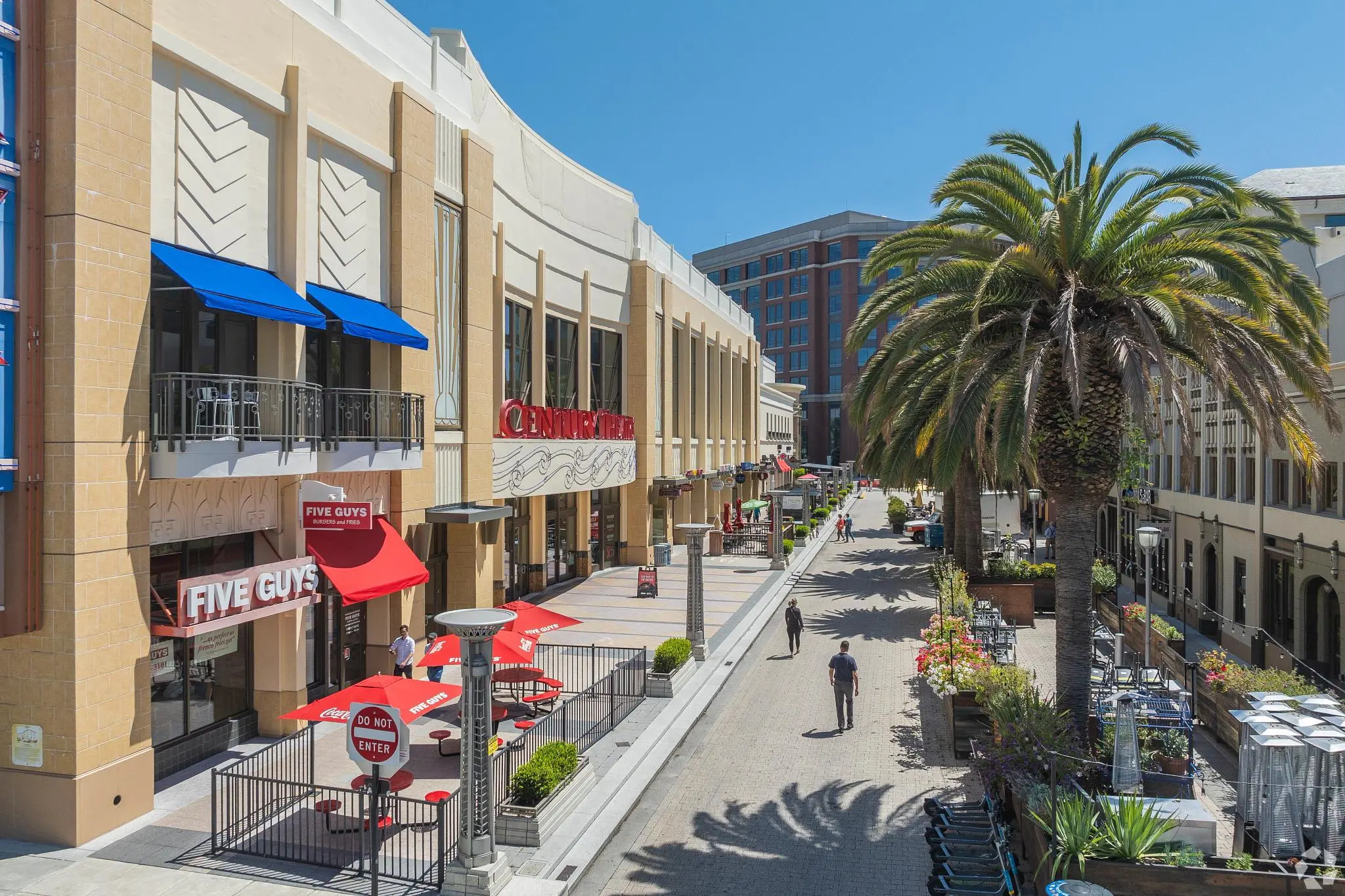
The U.S. retail market is closing out 2026 on firmer footing than it began the year, with demand strengthening through the second half as limited construction constrains the amount of added space.
The updated forecast calls for fundamentals to remain balanced over the next several years as demand moderates but generally keeps pace with a still-restrained completion pipeline.
Vacancy is projected to end 2026 at roughly 4.26%, down from 4.32% in the third quarter and below the 4.35% level reached in early 2026. Net absorption, an indicator of occupancy, is estimated at 14.6 million square feet in the fourth quarter, lifting the 2026 total to about 29.2 million square feet after a weak first quarter.
Compared with the prior forecast, the near-term outlook has strengthened as second-half demand outperformed earlier expectations, pushing vacancy lower entering 2027, though the longer-term outlook remains largely unchanged with vacancy holding between approximately 4.2% and 4.3% through 2030.
Demand is expected to cool in 2027, when annual net absorption falls to roughly 15.0 million square feet and trails projected completions of 16.8 million square feet. Even then, the imbalance remains modest enough to keep vacancy rangebound near 4.3%. Demand and completions are both expected to increase later in the forecast period, keeping the market near equilibrium rather than materially loosening fundamentals.
The supply outlook remains the sector’s clearest stabilizer over the near term. Retail development has been difficult to pencil amid elevated construction and financing costs, and the forecast does not show completions regaining sustained momentum until later in the forecast period.
Net completions total an estimated 27.2 million square feet in 2026 and remain below that level in both 2027 and 2028. Even as construction gradually increases thereafter, the vast majority of new completions are expected to be built-to-suits, limiting their impact on available space.
Rent growth is also forecast to move through a period of adjustment before settling at a steadier pace. Asking rent reaches an estimated $26.36 per square foot at the end of 2026 and rises to $27.12 per square foot by the end of 2027, an increase of roughly 2.9%, before moderating thereafter. Limited availability continues to support pricing, even as slower near-term demand and a gradual slowing in retail sales growth moderate the pace of acceleration.
The forecast carries risks on both sides, though the balance remains tilted to the downside. Higher energy prices and inflation could further erode the cushion for consumers while pressuring retailer margins, while an even-higher-for-longer interest rate environment could weigh on business formation, retailer expansion and development activity.
Additional downside risks include weaker real wage growth as the labor market slows, softer population growth and the potential for an asset-market correction. However, these risks should be viewed against a retail market that remains fundamentally tight, with low vacancy and limited new construction providing a meaningful buffer against a softer economic environment.
In the longer term, the sector is expected to retain the same broader outlook of relative stability. Demand is expected to slow after the strong close to 2026, but limited new supply should prevent a meaningful vacancy increase, while improving absorption and completions later in the decade keep the market near equilibrium and support continued rent growth.